L. LeDonne Shares Pieces of Her Heart ❤️❤️❤️
Our Co-Executive Director BL Shirelle chopped it up with L. LeDonne about her upcoming project, “Pieces of Me”; releasing on FREER World November 6th. 🌎 🎶
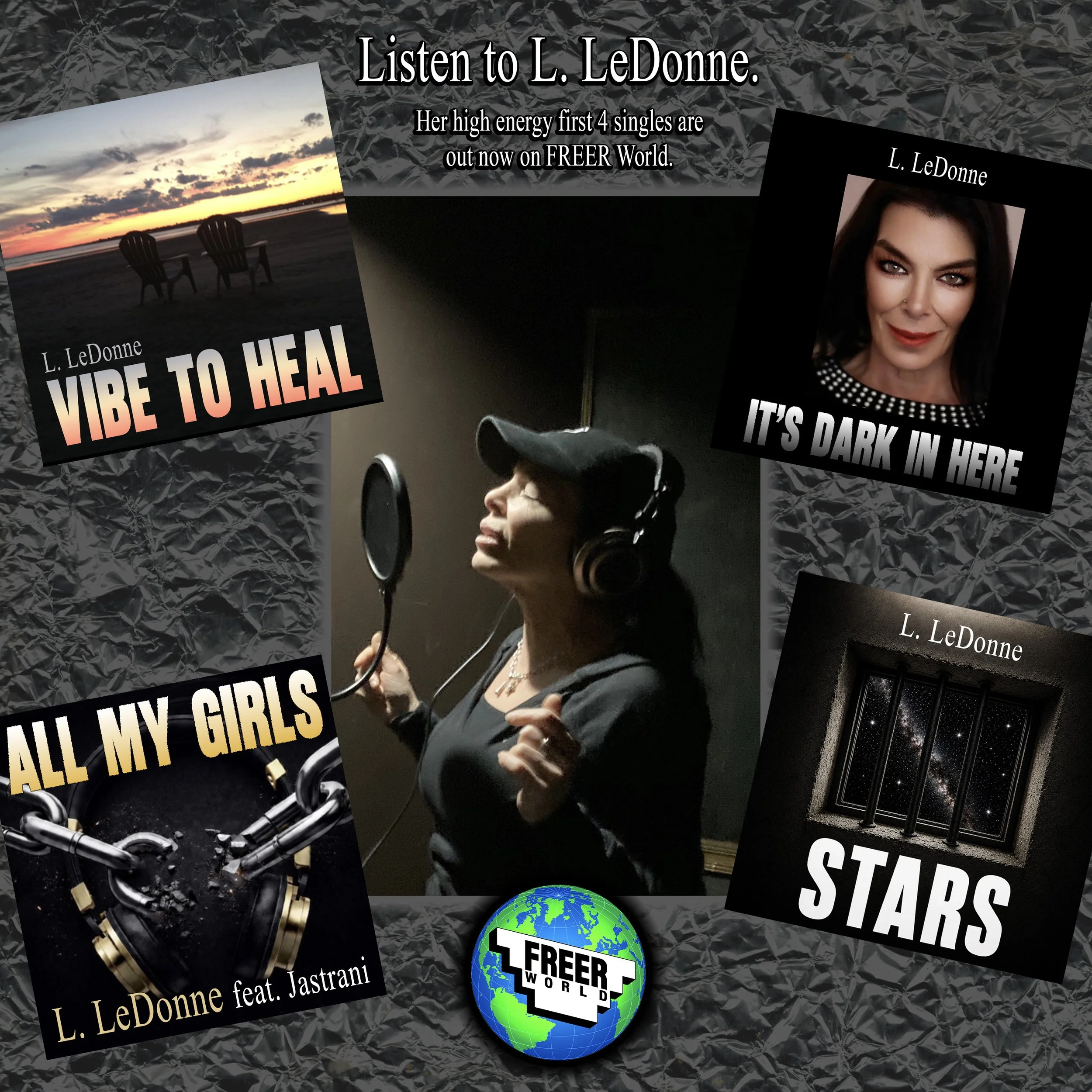
BL: I want our audience to get more familiar with L. LeDonne, the artist, the person, the nonprofit founder. You've been dropping multiple releases on FREER World leading up to your album Pieces of Me. My personal favorite is probably still All My Girls, but I feel like Love Yourself Whole may take it over. Tell us about this project. How did it come together?
L. LeDonne: The project is really a compilation of my time being incarcerated from 2017 to 2020 in max, spending some time in segregation, seeing the horrible things that people go through, and not being able to express it musically.
I remember when we talked, and you said to me, “Let's put together a record that has a theme,” and it was hard for me because there were so many feelings that were all over the place. Sometimes I felt sad, sometimes I felt hopeful, sometimes I felt desperate and lonely, and I wasn't able to express those feelings like I was used to on piano.
I've been playing piano since I was three. I started using it as an outlet without even realizing that it was my self-soothe. That was my way of finding some solace within myself. Some days I would pound on it, and some days I would just play and cry. But it was always my go-to.
BL: What led to your incarceration? You went to prison at a more mature age than the average person.
L. LeDonne: Addiction. Originally through oxycodone in the early '80s because I had an ectopic pregnancy that ruptured. I got addicted then, and I got sober from heroin and stayed sober for 22 years from heroin.
When I had grown so much scar tissue over the years and went to see the doctor, he was quick to give me this new medicine. My doctor told me there was this great new fabulous drug that was not addictive called OxyContin, and I got addicted quickly to that. It was easy for me to use it as an excuse to keep doing it and repeating that insanity again.
My friend and I had relapsed together, and she overdosed in my house and died, and they charged me with manslaughter for that. It was not only losing her and losing my family and not knowing where I was going or how I was going to live, but my life drastically changed in a heartbeat.
I was a fish out of water in prison. I was in a performance art program, but we had very limited time where we were able to practice until the very end of my sentence. My counselor prescribed a keyboard for part of my therapeutic healing, and I was able to have a keyboard in my cell the last six months, which was such a lifesaver.
L. LeDonne - “Stars”
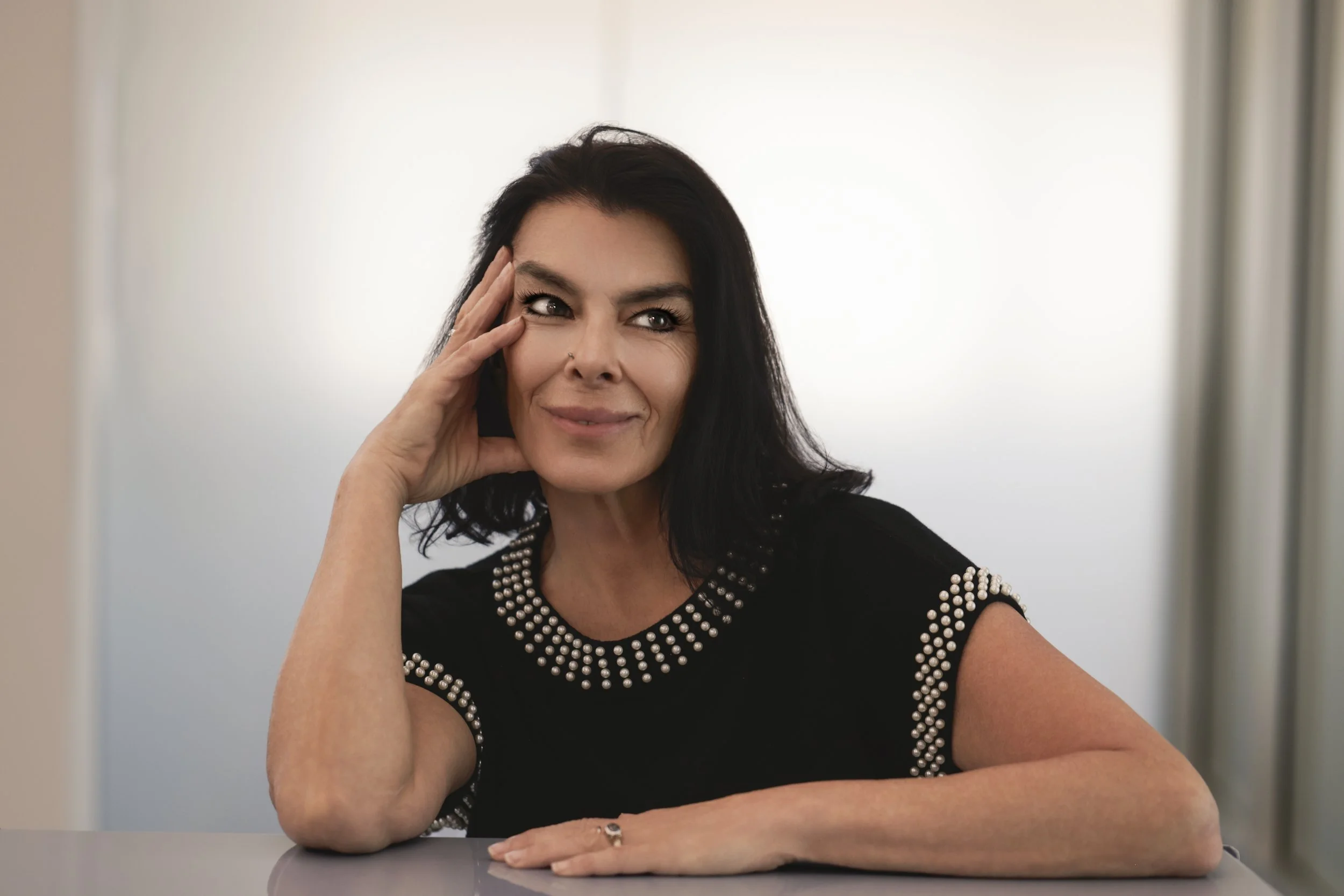
Image courtesy of L. LeDonne
BL: You had a pretty privileged upbringing. What was L. LeDonne's life like before drugs?
L. LeDonne: I was able to pursue my music career in any way I wanted because my bills were always taken care of or covered if I didn't have it. There was always somebody there to cover my ass. I had a trust fund that allowed me to live in a gorgeous home. If I didn't have the money to pay my mortgage, it was just taken care of. I was really privileged.
BL: What was that like growing up?
L. LeDonne: There were good points and bad points because along with that comes you having to fit in a certain box, and I was not that box person. I was definitely the black sheep of the family. I used to party with my dad.
Unfortunately, he passed young in his 40s, and I saw myself going down that same road. I convinced myself that it was okay for me to take the pills. My father took pills along with me. We would drink and share pills. For me, it wasn't anything I was doing wrong because as a teenager, I partied with him. It just felt the natural way of things for me.
BL: Right, it was normalized.
L. LeDonne: Yeah, and being in the music business so early, I got signed at 19 to CBS Records for a demo project. Then Sony came in and bought CBS, and my record got shelved. But I got my little 15 minutes of fame. MTV had just come out. I had a quick appearance. I got a chance to work with some amazing people because of it.
BL: You went to Berklee, right? Did you go to Berklee with anybody people will be familiar with today?
L. LeDonne: Yeah, I went to Berklee with Steve Vai. He's one of the best guitar players that ever lived for a metal player. Went to play with Frank Zappa for many, many years. He plays a lot with Joe Satriani.
I also went to school with David Rosenthal, music director for Billy Joel. And it allowed me to meet Prince. I ended up working for Prince for almost three years at Paisley Park.
BL: Now you got to tell me more about that. I absolutely adore Prince. What was it like working for Prince?
L. LeDonne: I ended up going to Minneapolis to get clean. That's how I got clean from heroin in the '90s. I ended up working at a nightclub called Rogue. I was the head of promotions there.
Prince came in one night. He watched me move around and decided that he wanted me to work over at his club.
BL: So that was your capacity of working for him?
L. LeDonne: No, he took me from the club into his studio. Once he found out I could play and heard me play. They took me right out of the club and put me in the studio.
BL: What was it like working in the studio with Prince?
L. LeDonne: It was very interesting. There was days where we had no-eye-contact days, so nobody could get eye contact with him. He talked to us very little. He was so somber all of the time. It was a little heartbreaking.
There wasn't too many people that he allowed in his new studio, and I am so fucking grateful that out of the three people he allowed, I was one of them. I was able to practice on the piano that he did Purple Rain on, and that is something that I hold so near and dear to my heart—that his hands played on that piano, that song, and that I was able to play my own stuff that I wrote and feel that magic and that vibration.
When I would come in in the morning, I would see him at the piano just hitting these notes repetitively, almost trance-like. He would look up and see me, and the sadness in his face at that time, I'm talking '93, '94—was heartbreaking to me.
I saw a person who didn't trust anyone. I saw someone that looked at everyone, “What do you want from me?” That was his vibe, and it saddened me.
They walked in on me in Studio C one time, and I was playing one of my pieces. When I was done, not even knowing anyone was in the room, the band was clapping. Those little moments that I have, I treasure those.
L. Ledonne- “Stars”
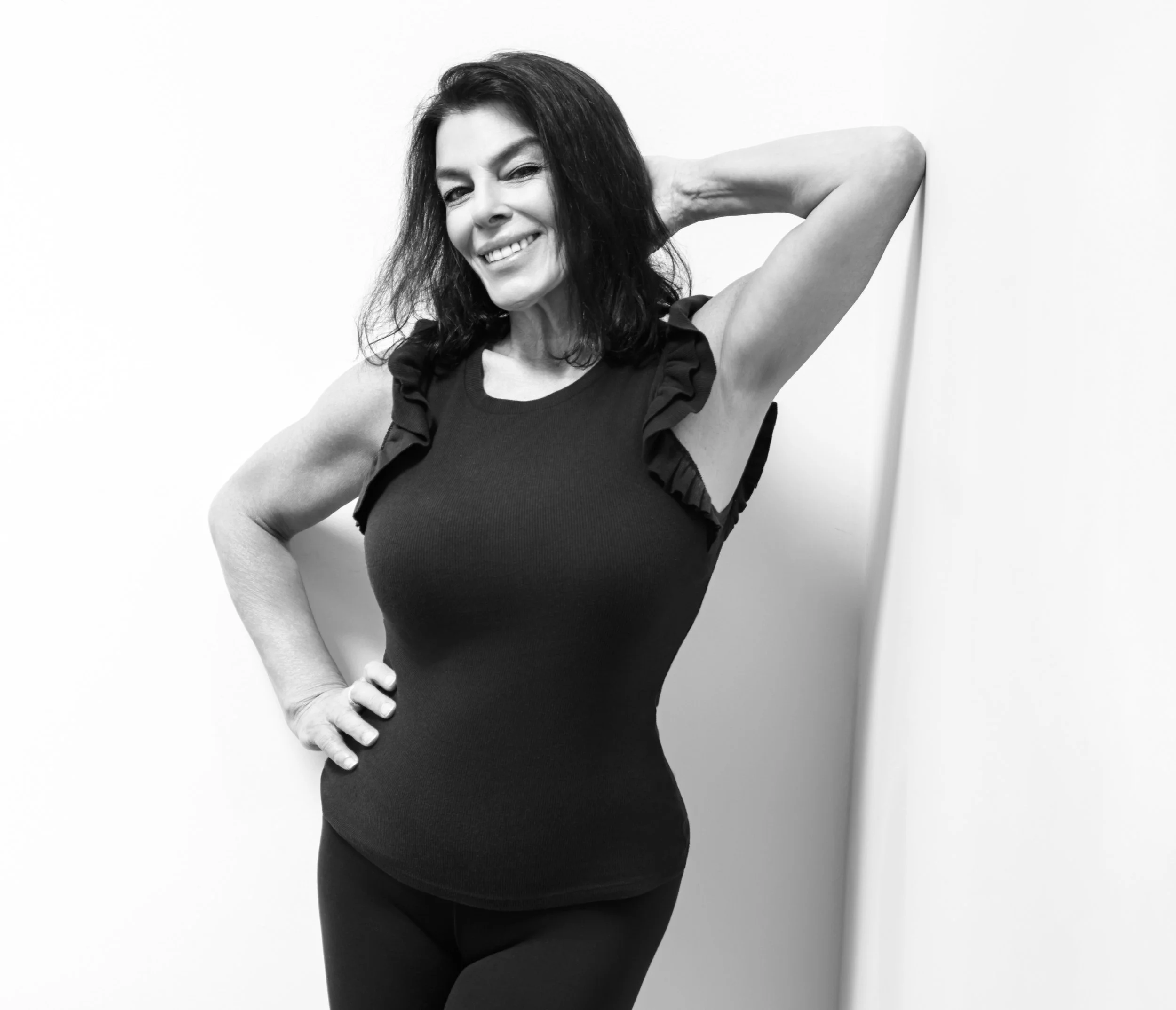
Photo courtesy of L. LeDonne
BL: How did you wind up playing with Carlos Santana?
L. LeDonne: For Carlos, I was not a player on his stage that night. I set up his entire nonprofit called China Cares. I also wired everything for him underneath the stage. Right before one of his solos, his guitar came unplugged underneath the stage. I'm doing the army crawl with the halogen light, and I found it and plugged it back in right before he went in.
I was sitting on the stairs, and he came up and hugged me and kissed me on the cheek. He goes, “Thanks for everything. And for saving my ass tonight.”
And I was like, “Yo, you don't even need to pay me now. Thank you.”
BL: Over the course of your music career prior to incarceration, what is the thing you're most proud of?
L. LeDonne: I was proud of getting through school quickly and getting signed young, and I was proud of the things that I was creating around me.
BL: How did that change for you when you went to prison? Did your outlook on creating change?
L. LeDonne: ONE THOUSAND PERCENT. I became so much more focused afterwards, and after incarceration, I became aware on such a deep level of what being able to express music meant in my life and meant to the people around me.
I saw how the women that were the angriest and that hurt the most and were going to be there the longest were able to benefit from me being able to bring my keyboard in there and help them take a song or a rap that they wrote, tell me their story, and be able to express it.
I was the only outlet for them to be able to express it musically. They could tell it to me, and I had a knack for grabbing it. I would watch their faces and I'm like, “You just wrote a song. You just fucking wrote a song with me. YOU'RE A SONGWRITER.”
It was filling a part of me and becoming a part of my daily life. That was a better way of balancing my nervous system than drugs were. That's where my aha moment was. “Holy shit! This is what I'm supposed to be doing. I'm gonna do this when I get out.”
When I was stuck in Seg, I wrote Seg Song, and I had to sing it over and over so many times to remember it. I just needed to keep singing it.
It was really great to hear all the other girls join in. When I could hear all the women singing right along with the hook and all the little hairs on the back of my neck standing up, I was like, “This is why I'm here.”
BL: That brings us to the music you're making now. Tell me about the motivation to Stars, because I found that story incredible.
L. LeDonne: I was paired up in a music program with a formerly incarcerated woman who spent the first 14 years of her life chained up in her parents' basement and was sexually assaulted for 14 years until she escaped.
BL: And why did you name the song Stars?
L. LeDonne: She used to put her hands on the barred windows at night and look out to the stars, and she'd hear the doors slam and lock at night.
All I could think of was the same feelings I had when those doors—the finality, especially when you're in Seg and it's dark and it's cold, and it's just so silent and alone. I could never imagine the hell that she went through for that amount of time. But when she explained that she felt the coldness of those bars but looked out and saw the stars, that was where she found her hope.
The song came out very suddenly. She said it was perfect, and that's all I wanted to hear from her.
BL: How about It's Dark in Here? What's the motivation to that?
L. LeDonne: The motivation to It's Dark in Here were feelings that I had felt of all the different triggers and sounds that kept me stuck. I wrote that on the outside. I didn't write that inside.
I couldn't find the words to tell people because I never wanted to share that part of me and have anybody feel those feelings. But with the music, it was a way for me to express it.
BL: All of it's not so heavy. All My Girls, which is my favorite song currently—I was partying to it for months before I knew what it was about. What's the motivation to that one?
L. LeDonne: I was with someone who was wrapping up some of his legal issues, and we were talking about IN-JUST-US and putting some music together. He goes, “All my girls are felons, and I know they're not gonna tell.”
I'm laughing and I was like, “I ain't telling,” and all of a sudden we're like, “OH SHIT.” Out comes the mic into the computer.
I was like, “I gotta go home now. I gotta do this. I gotta finish it.”
It was done sarcastically. It really was. It was done to be a fun club song.
BL: Tell me about your organization, IN-JUST-US, and what y'all mission is.
L. LeDonne: IN-JUST-US is a collaborative mission of voices. It's from within our hearts, within our souls, within the prison walls. Some of it I'm doing with people who are never coming out. Some I'm doing with people who have come out.
Being able to put out some music that families can listen to that really can't be around their loved ones that are still inside is immeasurable.
And I know with B. Alexis and just watching all of that magnificence unfold and what she brings to the outside, you can't put a price tag on that.
BL: I want to give you your flowers. L. LeDonne has been invaluable to me personally. Always pouring into me, always looking for ways to support me. I met you some years ago, so this has been a very organic build. I can honestly say now that you're my friend, and I feel blessed to know you.
You go out of your way to support not just me, but other artists on FREER. You got B. Alexis' screening with Hang Time to quite a few constituents. You come down to shows whenever you can, and you always support. So it feels good for me to be able to extend that support back with the FREER World distribution.
L. LeDonne: This is just the beginning, for sure. And thank you. You've been my mentor ever since. I remember six years ago calling you up and asking you, “Will you be my mentor?” I'm like, “BL, this is Lori from the Yale class,” because we did the class with Professor Jenkins together.
BL: That was when we first met. You reached out. You asked me to be your mentor, and I said yes. When you had questions, you would call and ask, and I would give you any information that I had.
But after a while, you stopped calling. You didn't need my help as much because you was out there doing it. With FREER, sometimes people put all their eggs in our basket. You can't do that. You got to put them in your own basket. You got to care about your career more than anybody.
You took the couple little nuggets I gave you and ran with it. You didn't wait for the next, “What does BL say?” You just did what you do. I'm mad proud of you, and I'm super excited to be a part of it.
L. LeDonne: Same, same.
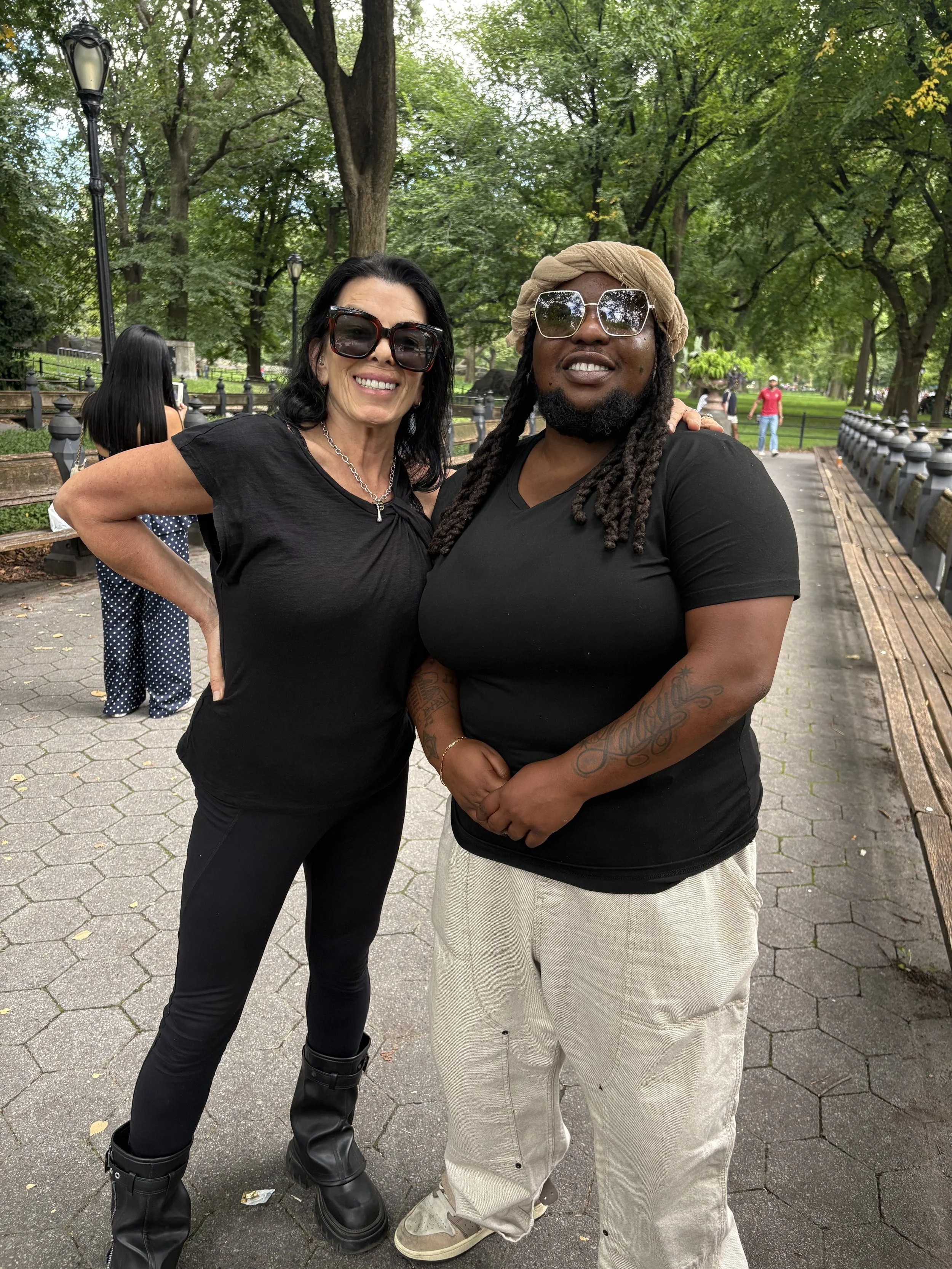
9/6/26 - L. LeDonne and BL Shirelle at Rap Against Rikers event, where BL performed)
L. LeDonne - “It’s Dark In Here”