
TTV: KATINA ROBINSON - STEEL ROOTS STORIES ⛓️🌱
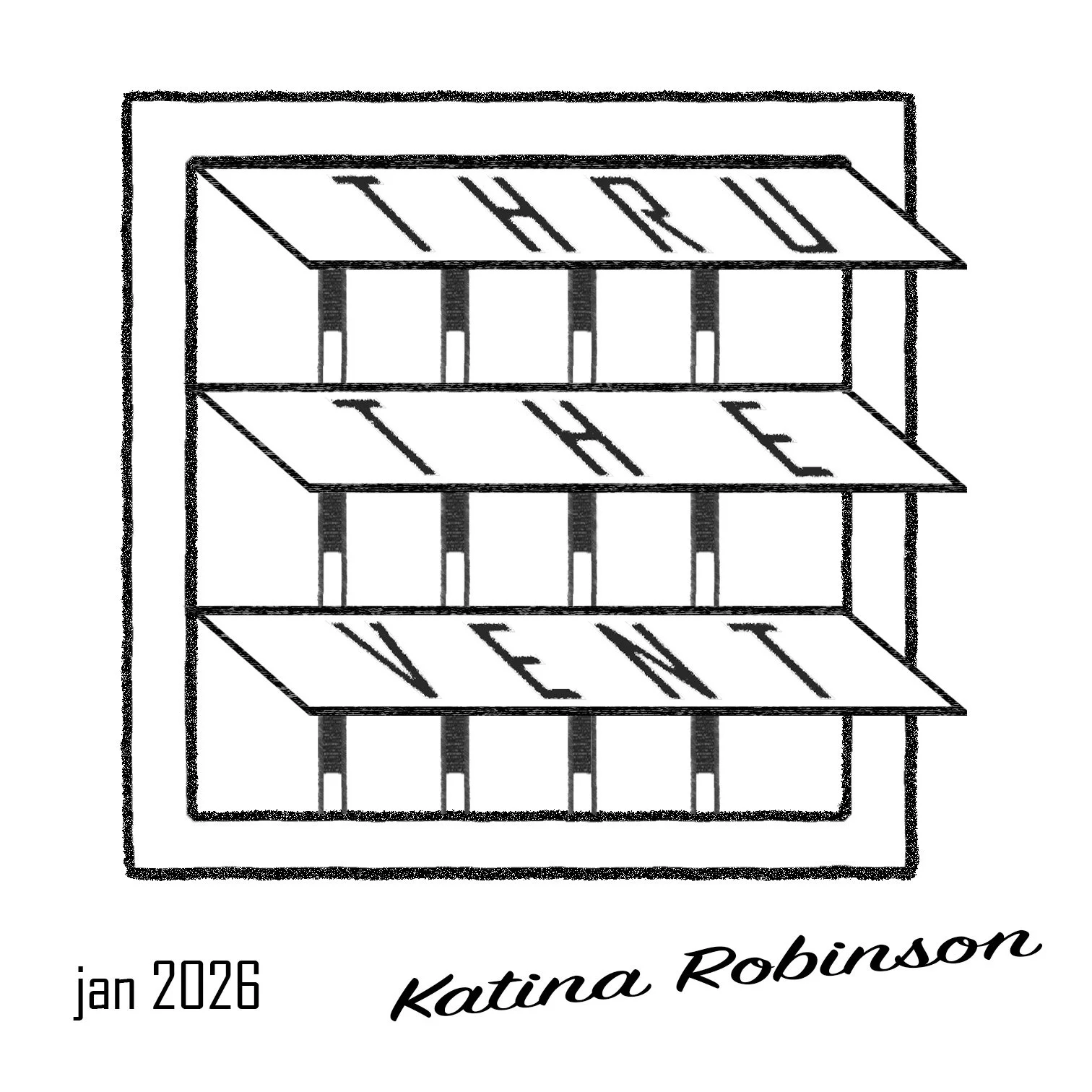
“In the penitentiary, much time is spent ‘locked down’ due to lack of staff, solitary confinement, shakedowns, and a host of other factors. Those in lockdown units – confined to their cells all day – often use the ventilation system to communicate. Speaking about everything from family secrets, personal history, to one’s future, through a vent is where we shared what was on our hearts and minds. This is no different. I present to you… THRU THE VENT.”
Curated by BL Shirelle.
THRU THE VENT is a series made up of lived experiences from prison-impacted people — musicians and non-musicians alike — where they share their triumphs, tragedies, and everything in between. This is a judgment free zone. Some stories will be triumphant, some will be heartbreaking, they will all be nothing more than human.
My name is Katina Robinson and I’m from Philadelphia, Pennsylvania. I recently attended BL Shirelle’s Steel Roots film screening. I took my young nieces because I think it’s VERY important for them to be aware of the possible neglect you would be facing if incarcerated. After the screening, I was moved to share my story in an effort to let the ladies behind the wall know I understand what they’re going through and I’m willing to pass any knowledge I may have on to others.
I did 21 and a half years in prison. I was cellmates with BL for a few years and she can vouch for everything I’m about to disclose to you. Most of that time was at SCI Muncy.
During the period of 2011 through 2015, I started experiencing neurological complications. At the time, I didn’t know it was neurological. I was confused. I just knew something was wrong and I wanted to put a finger on it, but they kept ignoring my calls for help.
I was down at sick call probably four days out of the week — we could only go Monday through Friday back then. I was complaining about not being able to walk, weakness in my legs; at one point, my feet started moving on their own. I had drop foot for two days, and it was so scary… I thought I was going to be stuck like that.
My mom was in the hospital herself at the time, calling from the hospital trying to get me help. Instead of helping me, they punished me. If I couldn’t make it back to the unit in time for count because I couldn’t walk, I’d get a write-up. I was barely walking. It slowed me down. I’d get a misconduct for loitering on the sidewalk, knowing that’s not what I was doing. I was trying my best.
They also punished me by keeping me in the infirmary — the place that’s supposed to help you medically. Instead of letting me go back to my unit, they’d send me to one of the back rooms, lock me in there, and say it was for observation. There was no observation. I was there like I was in the hole. I barely saw a doctor or a nurse. The only time I saw anyone was when they brought my meal.
That alone made me say, oh no, I’ll deal with this in the unit. I didn’t even want to go to sick call anymore because I felt like I was being punished for it.
Before all this, I worked in the kitchen. They knew me. They always called me to do things because I didn’t mind working. When they saw my body starting to shut down, they didn’t write me up. They excused me from the kitchen and said they could see I wasn’t going to be able to do it anymore. They moved me to lighter work, but even that was still a struggle.
People in the unit saw I didn’t get meals. Usually when you’re sick, your meals come to the unit. Not for me. I had to buy my own food. The only accommodation they gave me was putting someone in the cell with me and saying, “if you want to help her, go ahead and help.”
Every trip to sick call costs money. Five dollars for the first visit. After that, it was supposed to be an existing issue, so they weren’t supposed to continue charging me. But they did. Over and over. I had to grieve and grieve and grieve until somebody finally acknowledged it.
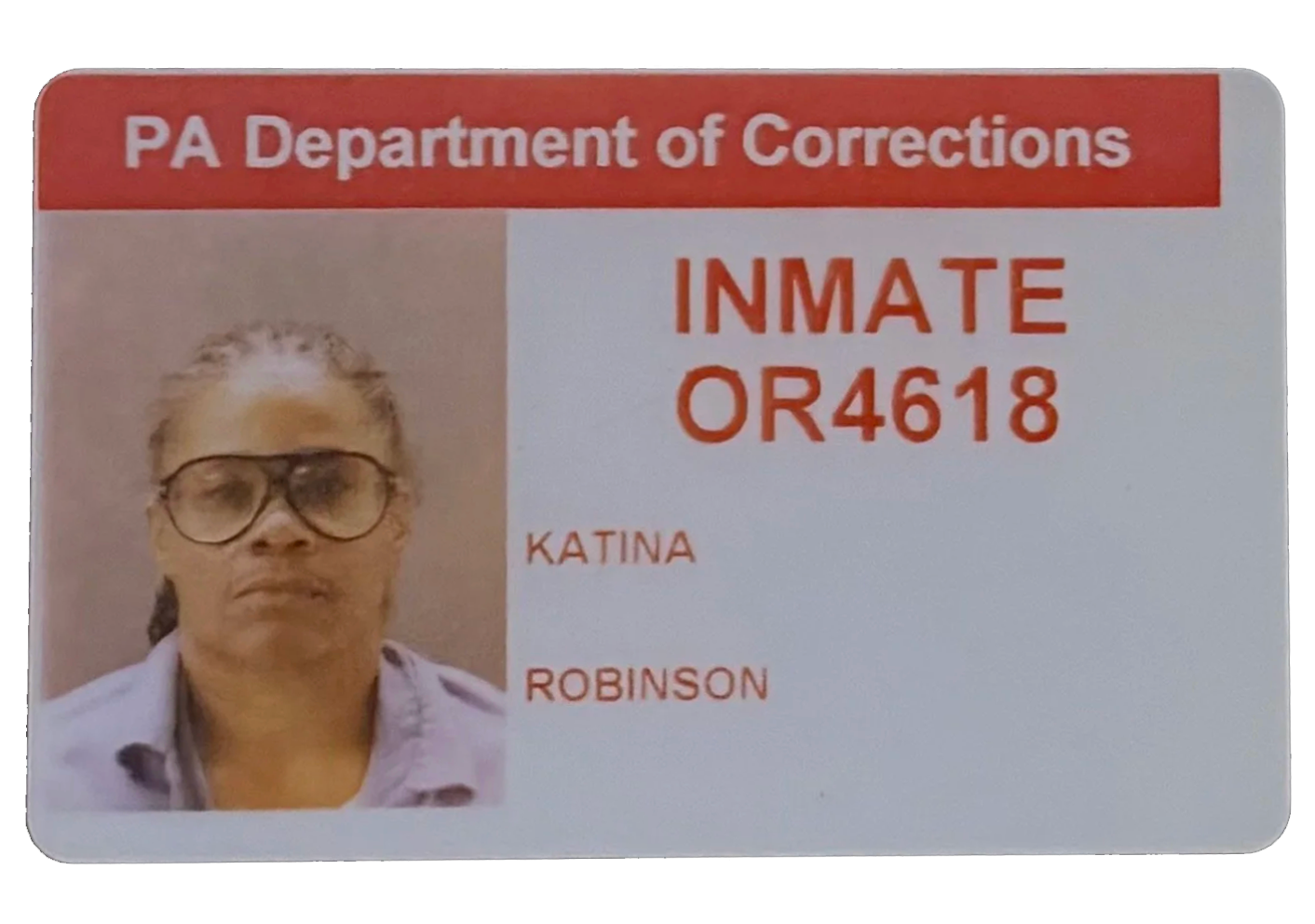
Katina Robinson’s inmate ID circa 2011
That’s when I wrote to the Prison Society. I wrote a gentleman by the name of Angus Love. I don’t know what he did exactly, but he reviewed whatever documentation they had and threatened them with Deliberate Indifference. Meaning: you know something is wrong, you see it in the records, and you’re not doing anything about it.
After that, I immediately started getting taken out to Geisinger Hospital. Even there, they treated me badly. It was like the jail was mad that I went over their heads. Even the officers said they’d never seen a hospital treat incarcerated people the way they treated me.
There was a time when I couldn’t walk at all. I went to the hospital, and they still refused to do further testing. Eventually, they started doing MRIs. A new doctor came in — Dr. Cynthia Freeland — and she knew something was wrong. When she came, things started to change a little.
They said they’d give me some medication but not others I needed. They kept taking me off campus early in the morning. It was extremely difficult to advocate for myself while I could barely keep my head up. I was extremely weak.
I was down at sick call every day with another woman, Ms. Nija. She passed away. She had cancer. We were neck and neck down there, talking every day. She knew something wasn’t right too, but they kept telling her she was drug-seeking. She didn’t get diagnosed until she was terminal.
At one point my mom called the infirmary trying to get answers. They told her they offered me a walker.
So you’re telling me you’re going to give me a walker and send me back to the unit, yet say nothing is wrong with me? Then why do I need a walker?
I didn’t think I was going to make it out of there. At one point it was like, oh my God, if you could just let me not wake up. They would count me from the bed because I couldn’t get up. My head felt heavy. My body felt heavy. It was a strain just trying to move.
By the grace of God, I had a roommate who helped me. She had to wipe me when I went to the bathroom because I couldn’t move my arms. I couldn’t even sit on the toilet by myself. She put me on the toilet, wiped me, and put me back in bed. That wasn’t her job. She was there to do her time, but that’s how bad it got.
I wasn’t diagnosed with anything specific until I came home. Inside they called it lesions. It’s actually small vessel brain disease. Stress triggers it. Emotional strain triggers it. Physical strain triggers it. I still go to the doctors to treat it today. They monitor the marks in my brain to make sure they don’t expand.
At Muncy, I saw people go to sick call, come back to the cell and die. That’s not the place you want to be if you’re sick. Either they’re not capable, or they don’t care. Because we’re inmates, we’re just numbers — but they DO care about that LAWSUIT!
Which is why you need somebody on the outside. Prison Society or someone with credibility. That’s what puts fire under them. Keep your paperwork. Document everything. Ask for copies even if it costs money. If I hadn’t been able to get those letters out, I don’t know what would’ve happened.
Keep y’all head up. Much love!

Katina Robinson, 2018
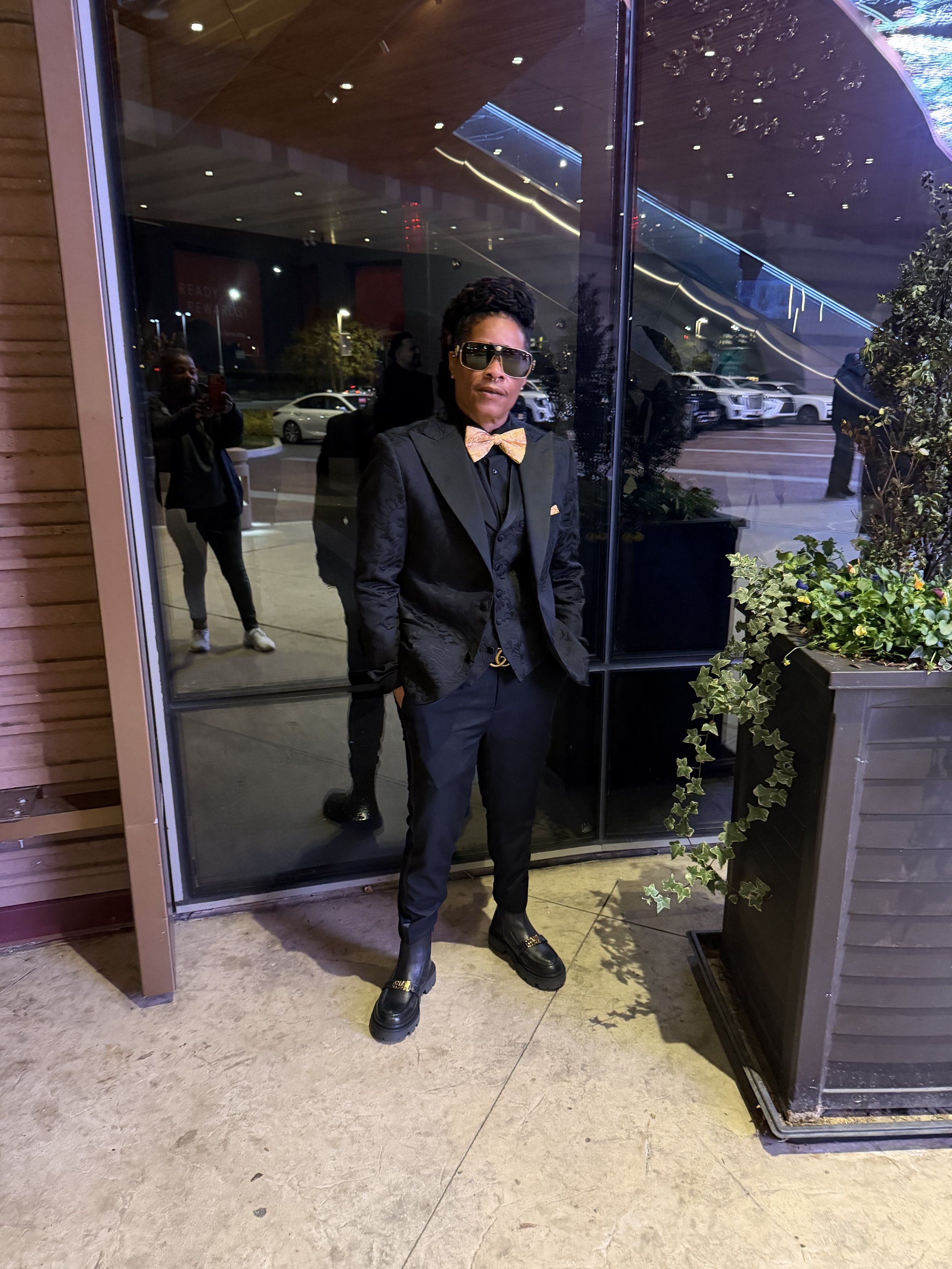
Katina Robinsin, 2024
DONATE TO OUR STEEL ROOTS FUND here. PROCEEDS FROM THIS FUND WILL GO DIRECTLY TO PRISON-IMPACTED WOMEN IN NEED OF MONEY FOR SICK CALL, HYGIENE PRODUCTS AND OTHER QUALITY OF LIFE NECESSITIES.